
"coffee inner structure"
200 article(s) found

"dissect" the inside of the coffee bean to make it clear to you at a glance
A close-up of beautiful coffee beans, coffee beans
Coffee packaging technology
The packaging characteristics of coffee and tea also have many similarities, such as preventing aroma from escaping, preventing moisture absorption and so on. The refreshing and stimulating nature of coffee has made it one of the most popular pastimes in the world. Coffee packaging requires coffee to be divided into ordinary coffee (ground, roasted) and instant coffee made of spray, freeze-drying and so on. Regular coffee is coming in.
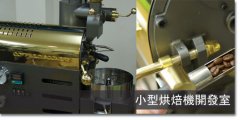
DISCOVERY small coffee roaster
Development of 200g small coffee roaster. Coffee has become a part of life. It has also become a very common habit to buy roasted coffee beans from stores and drink them at home. Recently, more and more people are buying their own coffee beans and baking them with hand nets and other ways. Nowadays, it is very easy to buy your favorite coffee, boutique coffee and other high-quality coffee.

Professional coffee roasting| SR500 Coffee Roaster Experience Sharing
Professional coffee knowledge exchange More coffee bean information Please pay attention to coffee workshop (Weixin Official Accounts cafe_style) fluid bed type (fluid bed) bean dryer design mechanism can mainly have the following two kinds of source: https://upload.wikimedia.org/wikipedia/en/a/af/Fluidized_Bed.jpg one is oblique side air intake (left of the above picture), using airflow
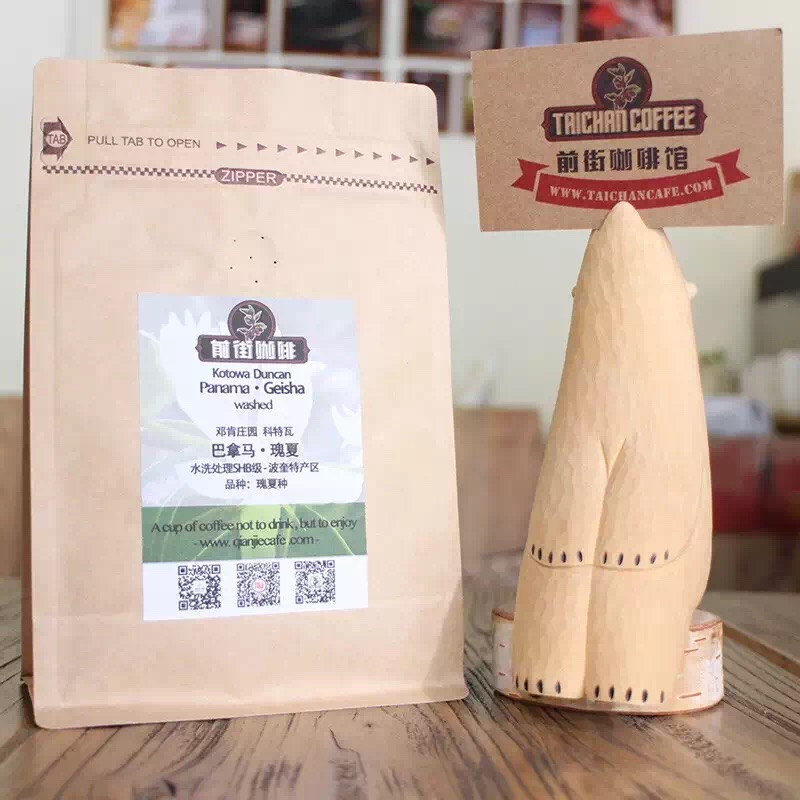
Better retain the flavor of coffee and teach you the skills of packaging coffee.
The packaging characteristics of coffee and tea also have many similarities, such as preventing aroma from escaping, preventing moisture absorption and so on. The refreshing and stimulating nature of coffee has made it one of the most popular pastimes in the world. Coffee packaging requires coffee to be divided into ordinary coffee (ground, roasted) and instant coffee made of spray, freeze-drying and so on. When ordinary coffee is packed, it should

Boutique coffee roaster Fuji Royal small roaster 1kg Rmer 101
Although it is a small size, it is fully equipped. It can bake bright beans and cool them quickly. It can be easily moved when placed on a special bench. Easy to observe digital thermometer, easy to bake. 1kg type. Size 300700870. After continuous improvement, even beginners can simply bake the design. The baked beans are so beautiful that they are popular with many users.
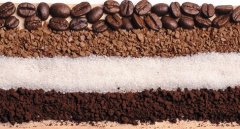
Honeycomb structure of roasted coffee beans
Coffee lovers, Professor Hirose Yukio of Kanazawa University in Japan is a doctor of engineering, specializing in computational mechanics. The boss has conducted research on coffee beans with 120,000 scientific spirit and achieved the following results: 1. The interior of roasted coffee beans is honeycomb structure, and different roasting methods form different honeycomb structures. 2 The diameter of honeycomb cavity is basically 0.01mm, that is, about 10 microns. 3
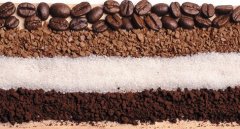
Honeycomb structure of roasted coffee beans
Coffee enthusiast, Professor Yukio Hiroase of Kanazawa University in Japan, has a doctorate in engineering and specializes in computational mechanics. the boss has studied coffee beans with a hundred and twenty thousand scientific spirit and achieved the following results: 1 the interior of roasted coffee beans is honeycomb structure. different roasting methods form different honeycomb structures. (2) the diameter of honeycomb cavity is basically 0.01mm, that is, about 10 microns. three
Honeycomb structure of coffee beans
I read a coffee magazine and one of the interviews was very interesting. Coffee enthusiast, Professor Yukio Hiroase of Kanazawa University in Japan, has a doctorate in engineering and specializes in computational mechanics. the boss has studied coffee beans with a hundred and twenty thousand scientific spirit and achieved the following results: 1 the interior of roasted coffee beans is honeycomb structure. different roasting methods form different honeycomb structures. 2 Honeycomb cavity

Types of coffee machine-advantages and disadvantages, structure and function differences between American coffee machine and Italian coffee machine
Professional coffee knowledge exchange more coffee bean information please pay attention to the coffee workshop (Wechat official account cafe_style) Espresso coffee extraction detailed steps Italian concentrated coffee brewing utensils, including French filter pot, Saifeng kettle, hand brewer, all kinds of coffee machine. This article mainly introduces the mechanical coffee machine. Mechanical coffee machine is mainly divided into

The interior of roasted coffee beans is "honeycomb structure".
Coffee enthusiast, Professor Yukio Hiroase of Kanazawa University in Japan, has a doctorate in engineering and specializes in computational mechanics. the boss has studied coffee beans with a hundred and twenty thousand scientific spirit and achieved the following results: 1 the interior of roasted coffee beans is honeycomb structure. different roasting methods form different honeycomb structures. (2) the diameter of honeycomb cavity is basically 0.01mm, that is, about 10 microns. three

Coffee roasting technology the honeycomb structure of roasted coffee beans
Coffee enthusiast, Professor Yukio Hiroase of Kanazawa University in Japan, has a doctorate in engineering and specializes in computational mechanics. the boss has studied coffee beans with a hundred and twenty thousand scientific spirit and achieved the following results: 1 the interior of roasted coffee beans is honeycomb structure. different roasting methods form different honeycomb structures. (2) the diameter of honeycomb cavity is basically 0.01mm, that is, about 10 microns. three
Fine coffee study the honeycomb structure of roasted coffee beans
Coffee enthusiast, Professor Yukio Hiroase of Kanazawa University in Japan, has a doctorate in engineering and specializes in computational mechanics. the boss has studied coffee beans with a hundred and twenty thousand scientific spirit and achieved the following results: 1 the interior of roasted coffee beans is honeycomb structure. different roasting methods form different honeycomb structures. (2) the diameter of honeycomb cavity is basically 0.01mm, that is, about 10 microns. three

Is there a "honeycomb structure" inside the roasted coffee beans?
Coffee enthusiast, Professor Yukio Hiroase of Kanazawa University in Japan, has a doctorate in engineering and specializes in computational mechanics. the boss has studied coffee beans with a hundred and twenty thousand scientific spirit and achieved the following results: 1 the interior of roasted coffee beans is honeycomb structure. different roasting methods form different honeycomb structures. (2) the diameter of honeycomb cavity is basically 0.01mm, that is, about 10 microns.
Knowledge of coffee roasting honeycomb structure of roasted coffee beans
Coffee enthusiast, Professor Yukio Hiroase of Kanazawa University in Japan, has a doctorate in engineering and specializes in computational mechanics. the boss has studied coffee beans with a hundred and twenty thousand scientific spirit and achieved the following results: 1 the interior of roasted coffee beans is honeycomb structure. different roasting methods form different honeycomb structures. (2) the diameter of honeycomb cavity is basically 0.01mm, that is, about 10 microns. three
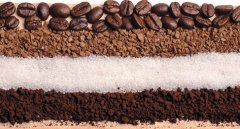
Basic knowledge of coffee honeycomb structure of roasted coffee beans
Coffee enthusiast, Professor Yukio Hiroase of Kanazawa University in Japan, has a doctorate in engineering and specializes in computational mechanics. the boss has studied coffee beans with a hundred and twenty thousand scientific spirit and achieved the following results: 1 the interior of roasted coffee beans is honeycomb structure. different roasting methods form different honeycomb structures. (2) the diameter of honeycomb cavity is basically 0.01mm, that is, about 10 microns. three

Basic knowledge of coffee honeycomb structure of roasted coffee beans
Coffee enthusiast, Professor Yukio Hiroase of Kanazawa University in Japan, has a doctorate in engineering and specializes in computational mechanics. the boss has studied coffee beans with a hundred and twenty thousand scientific spirit and achieved the following results: 1 the interior of roasted coffee beans is honeycomb structure. different roasting methods form different honeycomb structures. (2) the diameter of honeycomb cavity is basically 0.01mm, that is, about 10 microns. three
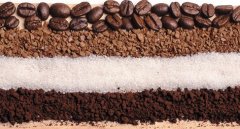
Honeycomb structure of coffee beans Common sense of roasting coffee beans
Coffee enthusiast, Professor Yukio Hiroase of Kanazawa University in Japan, has a doctorate in engineering and specializes in computational mechanics. the boss has studied coffee beans with a hundred and twenty thousand scientific spirit and achieved the following results: 1 the interior of roasted coffee beans is honeycomb structure. different roasting methods form different honeycomb structures. (2) the diameter of honeycomb cavity is basically 0.01mm, that is, about 10 microns. three
Roasting of boutique coffee honeycomb structure of roasted coffee beans
Coffee enthusiast, Professor Yukio Hiroase of Kanazawa University in Japan, has a doctorate in engineering and specializes in computational mechanics. the boss has studied coffee beans with a hundred and twenty thousand scientific spirit and achieved the following results: 1 the interior of roasted coffee beans is honeycomb structure. different roasting methods form different honeycomb structures. (2) the diameter of honeycomb cavity is basically 0.01mm, that is, about 10 microns. three
Coffee roasting knowledge the interior of roasted coffee beans is "honeycomb structure"
Coffee enthusiast, Professor Yukio Hiroase of Kanazawa University in Japan, has a doctorate in engineering and specializes in computational mechanics. the boss has studied coffee beans with a hundred and twenty thousand scientific spirit and achieved the following results: 1 the interior of roasted coffee beans is honeycomb structure. different roasting methods form different honeycomb structures. (2) the diameter of honeycomb cavity is basically 0.01mm, that is, about 10 microns. three